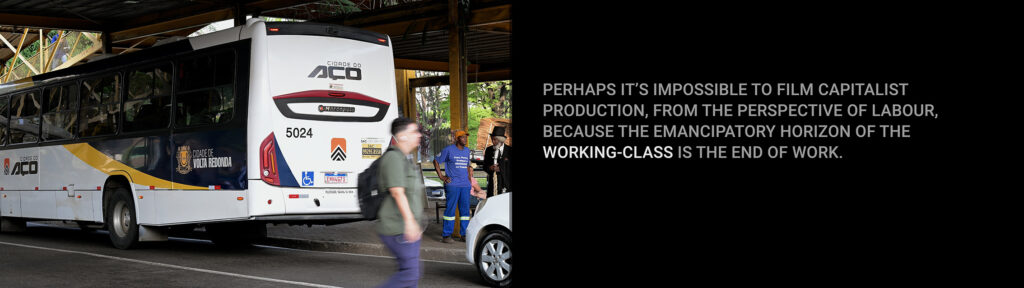
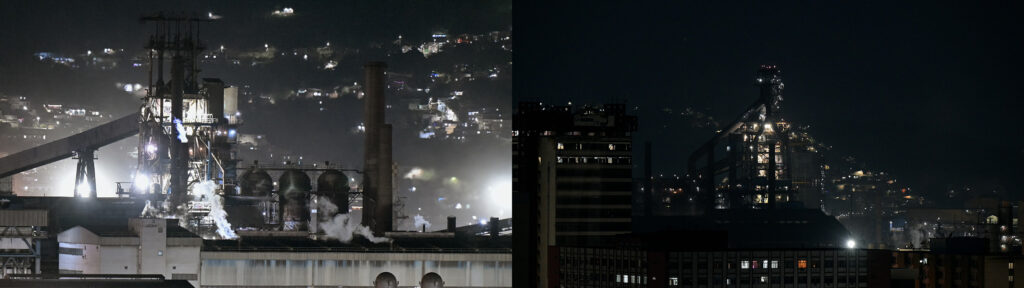
A project by Massimiliano Mollona and Oliver Ressler
in two versions:
2-channel video installation, 4K videos, 39 min., 2026
8K video (1 channel), 39 min., 2026
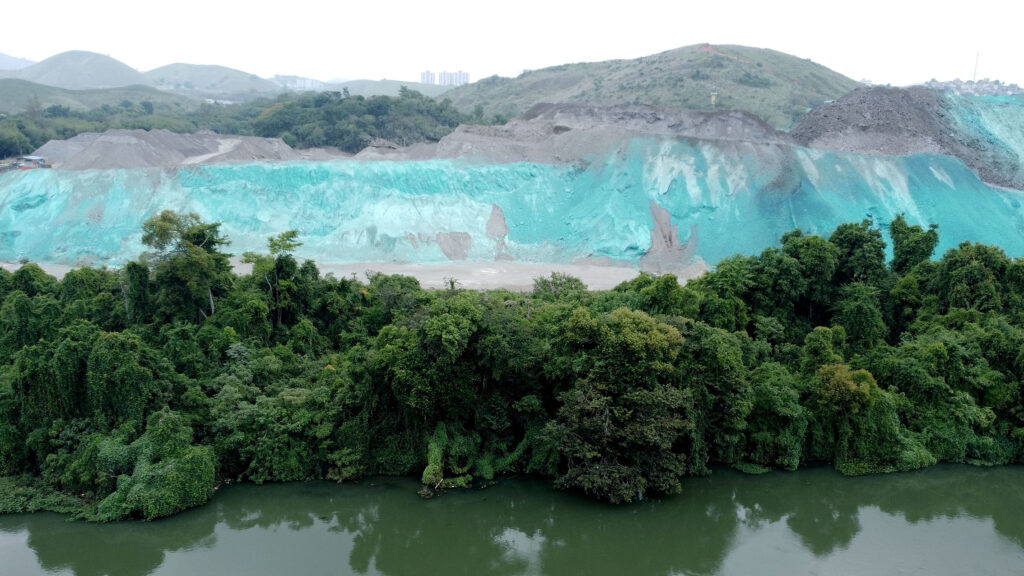
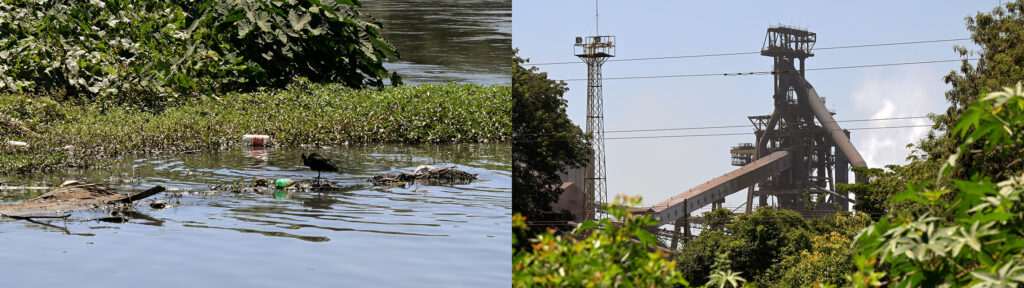
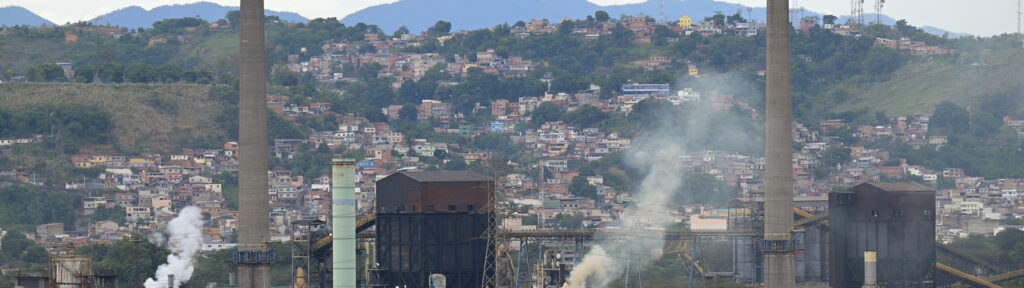
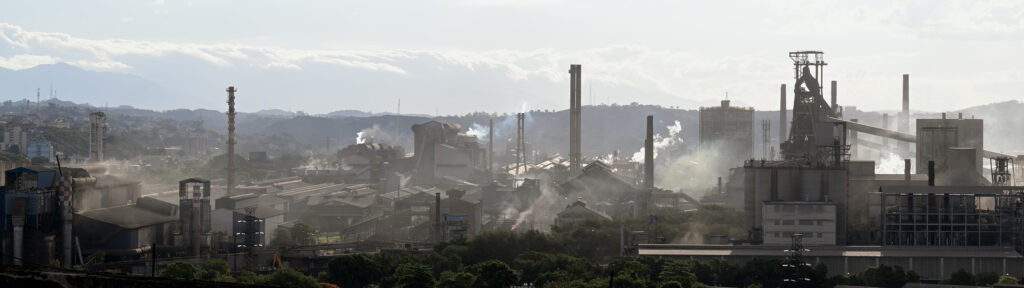
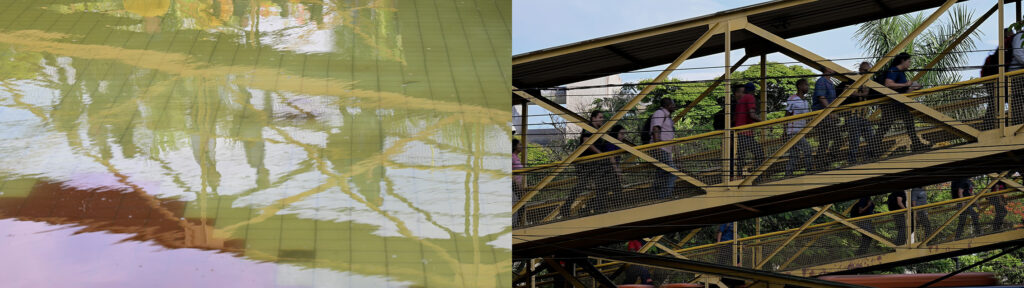
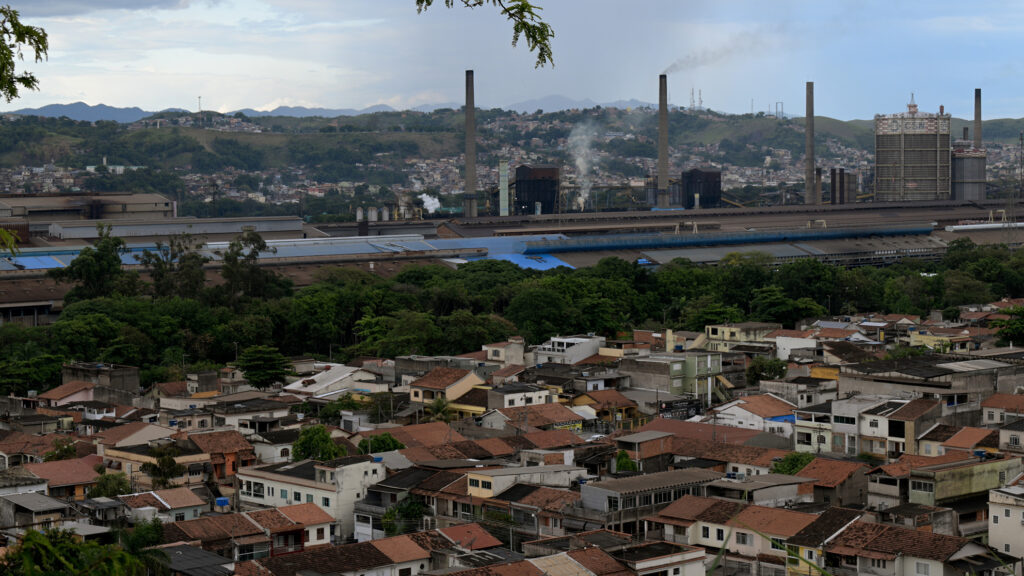
This project was shot in Volta Redonda, Brazil, a city built around the Companhia Siderúrgica Nacional (CSN) steel plant. It traces how industrial modernity, labour, environmental degradation, and social struggle have shaped both landscape and lives. Through the testimony of residents, activists, engineers, union organizers, and workers, the work reveals the steel plant not only as a site of production but also as the organizing force of an entire urban and ecological system.
The film/2-channel video installation opens with the sensory experience of pollution: a brown-grey cloud engulfing city and plant, rivers already contaminated before people now living were born, and the normalization of environmental loss. From these personal memories, a broader inquiry emerges: what is the cost of living in an environmentally unhealthy city? The narrative expands to chart the privatization of CSN in the 1990s, the transfer of vast lands into corporate ownership, and the dramatic reduction of native Atlantic Forest, leaving fragile ecological fragments struggling to sustain wildlife. Remaining forest reserves struggle to purify polluted waters, while toxic dumps and slag piles threaten collapse and regional catastrophe.
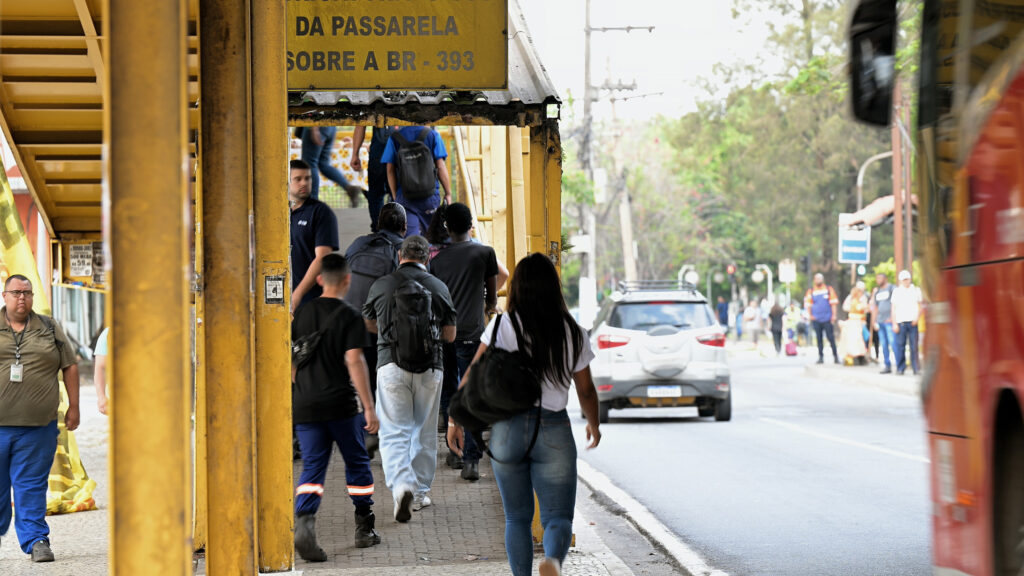
Parallel to the story on environmental degradation runs a history of labour and social organization. The work recalls the utopian industrial project of the Vargas era, when Volta Redonda was imagined as the birthplace of a new Brazilian proletariat. It describes the formation of unions, women’s grassroots networks, and social movements that sustained strikes and collective resistance. Over time, however, deregulation, corporate neglect, and financial crisis erode both labour protection and community cohesion. Workers speak of outdated machinery, dangerous conditions, low wages, and fatal accidents routinely blamed on employees rather than corporate negligence.
Racialized and classed hierarchies appear in the spatial design of the city itself: engineers housed far from pollution, unskilled workers placed closest to toxic exposure. Accounts of disease—from benzene poisoning among coke plant workers to respiratory illness across the population—frame Volta Redonda as a sacrifice zone, where economic extraction overrides constitutional rights to health and dignity.
The film/2-channel video installation ultimately confronts a collapsing industrial model: aging infrastructure, mounting corporate debt, and a community left with contamination, illness, and uncertain futures. Yet the activists and workers heard here imagine alternative governance: reclaiming the company for public or collective ownership, inventing new forms of organization beyond traditional unions, and rebuilding solidarity in the face of crisis.
Speakers in order of appearance (some remaining anonymous): Alexandre Habibe, Roberto Guião, Sandro Alves, Alexandre Fonseca, Maria Conceicao, Jessica Guerra, Rodrigo Beltrão
Directors: Massimiliano Mollona and Oliver Ressler
Cinematography: Oliver Ressler
Drone shooting: Wesley Pinto
Production assistant: Marco Aurélio Soares Alves
Editing: Massimiliano Mollona and Oliver Ressler
Colour correction: Rudolf Gottsberger
Sound design & mix: Rudolf Gottsberger
Producer: Oliver Ressler
Special thanks to Felipe and Erika from the Condominio Plaza, Amanda Masha Caminals, and Christoph Schwarz.
This film/installation was produced in the framework of the Bienal Climática, 2026, directed by Amanda Masha Caminals, and received support from BMWKMS and Austrian Embassy Brasilia.